(1999) Thymosin beta-4 accelerates wound healing Research Applications Key Differences BPC-157 is more associated with cell signalling and repair pathways TB-500 is more associated with cell movement and structural reorganisation Important Notice: This content is provided for informational and research purposes only
Abbreviations CMAP: Compound motor action potential CNS: Central nervous system ECM: Cone-extracellular matrix egr-1 gene : Early growth response-1 gene EMG: Electromyography FAK: Focal adhesion kinase GLP: Good laboratory practice HNE: 4-Hydroxynonenal HPLC: High-pressure liquid chromatography JAK-2: Janus kinase 2 LD1: Lethal dose 1 LTB4: Leukotriene B4 MPO: Myeloperoxidase MPTP: 1-Methyl-4-phenyl-1,2,3,6-tetrahydropyridine MUP: Motor unit potential naB2: Nerve growth factor 1-A binding protein-2 NSAIDs: Non-steroid anti-inflammatory drugs SCI: Spinal cord injury TXB2: Thromboxane B2 References Seiwerth S, Rucman R, Turkovic B, Sever M, Klicek R, Radic B, et al
Standard wound care (cleaning, appropriate dressing, addressing underlying causes) takes precedence
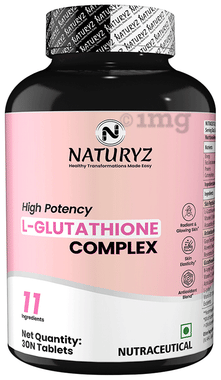
Its antioxidant properties are particularly notable as it has the capability to regenerate other antioxidants, such as vitamins C and E, which are essential for skin health
Sulforaphane activates similar heat-shock pathways without needing a fever, which may explain why some families notice behavioural gains





![Ozempic Stomach Paralysis Lawsuit [2026 Update]](https://www.robertkinglawfirm.com/wp-content/uploads/2024/03/how-to-avoid-stomach-paralysis-on-ozempic.webp)


:max_bytes(150000):strip_icc()/VWH-GettyImages-1692436619-6afbd0305e5e42359effc8b3deda6818.jpg)